Electric systems are like good referees. When they do their job, nobody notices. Flip a switch, a light comes on. Swipe a card, a door clicks open. Plug in a van, it charges while you sleep. Until, of course, something arcs, smokes, trips, or simply quits at 9:07 a.m. on a Monday, and the day unravels. Scheduled electrical maintenance is the unglamorous discipline that keeps the ordinary miracles ordinary. It’s less about tightening screws and more about orchestrating reliability, safety, and long-term savings.
The routine itself isn’t complicated. The judgment behind it is. A seasoned electrician reads the signs you can’t see, knows when a panel is merely dusty and when it’s on the cusp of a meltdown, and understands which upgrades deliver the most value for the next decade rather than just the next quarter. Whether you’re a facilities manager staring down an aging switchboard or a homeowner juggling EV charging and a newly smart home, a measured maintenance program keeps your circuits out of the headlines.
Below, I’ll lay out the nuts and bolts, from what to check and when, to where the real risks hide. We’ll touch on the growing list of add‑ons that complicate the modern electrical picture: solar, storage, EV charger installations, smart home device installation, even electrical vault cleaning in urban infrastructure. And we’ll talk about the role of a residential electrician versus a commercial electrician, because the stakes and the schedules differ. Think of this as a field guide written by someone who has dragged a thermal camera up more than a few stairwells and can tell you exactly what melted that bus lug in 2019.
Maintenance is a strategy, not a chore
The simplest way to understand scheduled maintenance is to compare it to dental cleanings. Skip one, you’ll probably be fine. Skip five, and you’re pricing crowns. Electricity compounds neglect faster than most systems because small flaws cook themselves bigger. A slightly loose termination becomes a hot spot, a hot spot becomes carbonized insulation, and once carbon is present, it can conduct. That’s how you get nuisance trips at best and flash events at worst.
A well-run program starts with a baseline assessment, sets intervals based on load and environment, and then revisits that plan when conditions change. Hospitals audit quarterly or biannually. Retail spaces might stretch to annual. Single-family homes often do best with an inspection every 2 to 3 years, plus checks when new loads arrive, like EV chargers or heat pumps. There’s no single calendar that fits everyone, but there are sensible ranges. The art is matching them to your building, your gear, and your tolerance for downtime.
The anatomy of a professional maintenance visit
When I’m called in for Electrical Maintenance Services, I break the work into layers. Visual, mechanical, thermal, and electrical performance. Each layer answers a different question. Is anything obviously off? Is anything physically loose or degraded? Is any component operating hotter than it should under normal load? Are protective devices tripping at the right levels within the right time windows?
Visual and environmental comes first. Is the panel room clean and dry, or has it become a dusty afterthought next to the janitor’s closet? I’ve seen breaker cabinets acting as coat racks and transformer rooms doubling as paint storage. Dust and solvents are not charming roommates for copper bus. In commercial spaces, I check labeling and circuit directories. Clear labeling saves minutes under pressure, and minutes matter when a line is down.
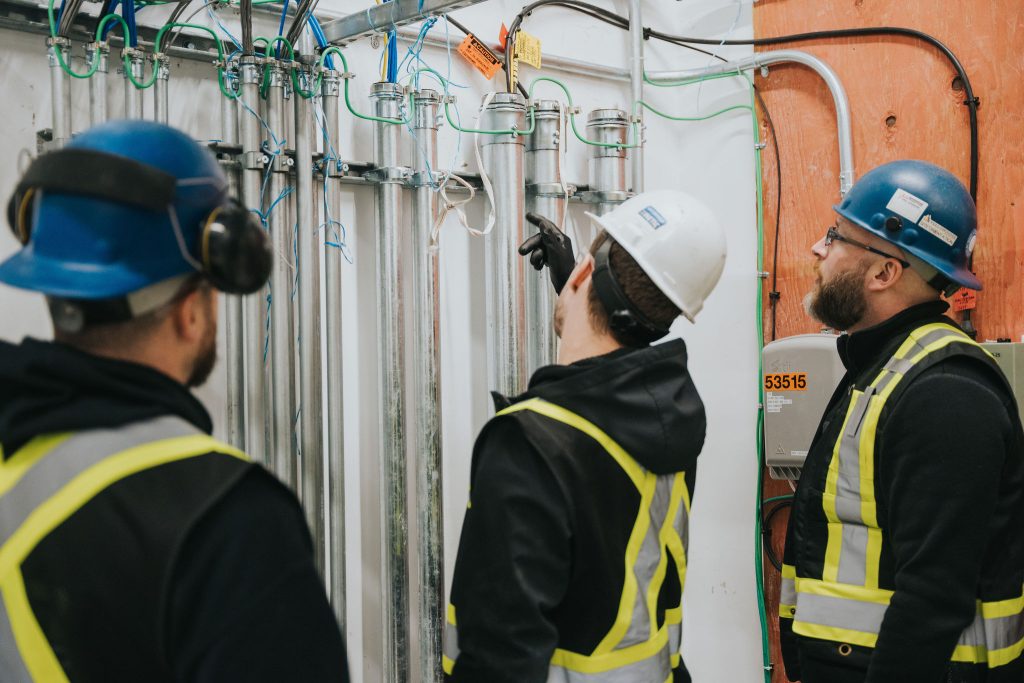

Mechanical checks are meticulous. Torque on lugs in main distribution panels and subpanels, tightness of neutral and grounding bars, condition of terminations inside receptacles that handle heavy loads, especially in kitchens or workshops. Vibration can loosen screws over time. Aluminum conductors in older buildings are repeat offenders for creep. There’s a right torque value and a wrong vibe of “seems snug.” I use a calibrated torque screwdriver, not faith.
Thermal scans reveal what the eye can’t. Infrared thermography picks up heat blooms from loose connections, overloaded circuits, imbalanced phases, and transformers that are working too hard. A 15 degree Celsius rise above ambient at a lug is a yellow flag. A 30 degree rise under normal load is a red one. Thermal trending, when done regularly, tells a story. If the same breaker shows up warm year after year, either the load is creeping or the connection is slowly failing.
Electrical performance hinges on real measurements. Voltage imbalance on three-phase systems should stay within a percent or two. Load profiles should match what you’d expect from the business. If a quiet office shows a midnight spike, something is off or a timer is mis-set. Grounding and bonding gets checked with impedance measurements, and I verify GFCI and AFCI devices with proper test instruments, not just the little “test” button on the receptacle. That button is a sanity check, not a performance test.
If you maintain equipment outdoors or in vaults, electrical vault cleaning is a category by itself. Dirt, salt, and rodents have a knack for finding energized metal. A good cleaning service will isolate equipment, vacuum with non-conductive tools, wipe down surfaces with appropriate solvents, remove corrosion, and re-seal entries against pests. In coastal and high-dust environments, this one task prevents a carnival of nuisance faults.
The rising complexity: EVs, solar, and smart everything
Ten years ago, maintenance was mostly panels, feeders, lighting, and HVAC controls. Now, Residential Electrician calls often involve EV Charger Installations, Smart Home Device Installation, Smart Thermostat Installation, and Home Generator Installation for backup. In commercial spaces, Commercial Electrician work now spans Solar Panel Installation tie-ins, battery storage, power monitoring, and sometimes automatic transfer switches that juggle grid, solar, and generator alike. Each addition brings benefits, plus new failure modes if ignored.
EV charging is a perfect case. A Level 2 charger on a 40 to 60 amp circuit isn’t exotic, but it’s continuous load by code definition. That means wire sizing, breaker selection, and temperature ratings matter more than for a casual dryer circuit. After the first year of use, I like to re-open that junction box and check torque on terminations. I’ve found enough micro-loosening following thermal cycles to make it a habit. For workplaces with a bank of chargers, I’ll also verify load management settings and that demand response features actually work as promised. Energy managers appreciate fewer surprise demand charges.
Solar Panel Installation changes current paths, especially when inverters backfeed panels. Your existing breakers and busbars now see load in both directions. Not all panels were made for that, and not all main lugs like the extra stress. Thermal scans during peak sun and post-sunset give a fuller picture of how the system behaves. The bonding between the array, racking, and building grounding is another item that deserves attention. Lightning isn’t theoretical in many regions, and even a minor strike can travel happily along a poorly bonded path.
Smart devices are double-edged. They offer visibility and control, but add power supplies and network dependencies into your once-simple circuits. I’ve chased down dimmer flicker caused by cheap LED drivers, and doorbell camera transformers that hummed enough to drive someone to uninstall them at midnight. Good Smart Home Device Installation starts with quality hardware, matching loads to rated dimmers and switches, and a plan for firmware updates. Maintenance means confirming that smart switches still actually switch when Wi‑Fi coughs, and that your smart thermostat still respects the limits of the HVAC equipment. I’ve seen compressors short-cycle into early retirement because a thermostat defaulted during a power blip.
Safety gear and why it pays for itself
Surge Protection Installation is another place where scheduled maintenance earns its keep. Whole‑home or whole‑facility surge protective devices (SPDs) are not install-and-forget. Many use sacrificial components that degrade with each hit. Quality units have indicators that show protection status. During maintenance, I check those indicators and verify that SPD conductors are as short and straight as practical, with proper bonding to the grounding electrode system. Long, coiled leads are common and defeat the point.
Smoke Detector Installation, while not glamorous, must be verified. Detectors age out after roughly 8 to 10 years, depending on the type. Ionization and photoelectric models respond differently to smoldering versus flaming fires. In many homes, a blend is ideal, or a modern dual-sensor unit. In commercial spaces, detectors must match the environment. Kitchens and dusty workshops need heat detectors or carefully placed photoelectric units to avoid nuisance alarms. Regular testing and replacement beats hoping the chirp never comes.
Home Generator Installation, especially for standby systems with automatic transfer switches, benefits from monthly exercise and a load test at least annually. A generator that only free-runs might sound healthy, but until you put it under real load you won’t know if voltage regulation and frequency hold steady. Batteries die silently. Fuel quality degrades. Scheduled checks save embarrassment during the one storm you truly needed it.
The rhythm of a maintenance calendar
Every building earns its own maintenance cadence, but a few patterns repeat.
Homes that see typical loads, no major heat sources in the panel area, and modern wiring can thrive with a comprehensive inspection every 24 to 36 months. Add a check sooner if you install a big-ticket item like an EV charger or solar array, or if you notice frequent breaker trips. With older homes, especially with aluminum branch circuits from the 60s or multi-wire branch circuits abused by amateur renovations, once a year is wiser.
Small commercial spaces, like retail or restaurants, often run harder. Kitchen circuits and refrigeration add heat and vibration. Grease and moisture are not gentle on equipment. Quarterly infrared scans for the main gear and annual mechanical checks prevent the notorious before-lunch breaker trip that spoils inventory.
Larger facilities set tiered schedules. Critical systems get quarterly inspections, production lines get biannual maintenance, and lighting panels may stretch to annual. If you run multi-shift operations, plan maintenance windows creatively. Night shifts or weekend mornings cost less than a line stoppage at 2 p.m. on a Tuesday.
Emergency Electrical Services have their place, but treating them as your primary plan is expensive. The fee for a midnight callout can buy a lot of preventive time. I keep a few clients on a hybrid model. We meet the scheduled checks, and we reserve a small bucket of hours for surprise troubleshooting. It keeps budgets predictable and equipment healthier.
Why the little things matter
I once opened a 400-amp panel that looked fine at first glance. Labels neat, breakers aligned, no scorch marks. The thermal camera told a different story. One phase on the main lug ran 22 degrees Celsius hotter than the others at a modest load. The culprit wasn’t dramatic, just a lug torqued a hair low a few years earlier. Another year of that and we’d have had a calcined mess. A five-minute torque-and-test saved a four-figure repair and a day of downtime.
Another case, a multifamily building with repeating GFCI trips in a corridor. The maintenance staff had replaced outlets three times. The real issue was in the panel: a neutral shared across two circuits without proper handle-tied breakers, classic multi-wire branch circuit trouble. Under certain loads, it created enough imbalance to trip protection. A good maintenance pass caught it, and an hour later we had proper handle ties, corrected neutrals, and no more mysteries.
Small clues speak. A breaker that trips once a month on a nearly identical Tuesday, wiring burn marks on a screw so faint you need a flashlight at an angle, a panel cover that hums when the rooftop units kick on. Most of these don’t show up in a checklist alone. They show up when someone curious keeps their eyes open and asks why.
Coordinating with upgrades and tenant improvements
Electrical maintenance and Tenant Improvements should dance together, not step on each other’s toes. When a space gets reshaped, circuits get extended, ceilings get opened, and opportunities appear. That’s the moment to clean up old splices in the plenum, replace brittle MC whip to light fixtures, and update directories. If you’re adding workstations, don’t just count outlets, count the load from laptops, monitors, and chargers, and plan receptacles on multiple circuits to avoid hot spots.

A Commercial Electrician doing fit-outs will often find legacy surprises: dead-end conduits, mystery junction boxes, orphaned low-voltage cable. Fold cleanup into the TI scope and your later maintenance visits will go faster and cost less. It also makes emergency work less frantic. When the directory matches reality, fault-finding is measured work, not a guessing game with flashlights.
Documentation is the spackle that holds it all together
I keep three kinds of records for clients: a one-page summary for decision makers, a detailed log for techs, and images. The summary notes what changed, what’s urgent versus deferred, and any budget-impacting recommendations. The log captures torque values on main lugs, photos of thermal anomalies with temperature deltas, panel directories before and after, breaker trip curves checked against the gear, and any out-of-code items with citations. Images are gold. A photo from last year that shows a lug at 44 degrees and the same lug today at 57 tells a clear story and makes approvals smoother.
If you’re the owner, insist on this. If your provider shrugs at documentation, push back. TDR Electric and other professional outfits treat records as part of the job, not a nice-to-have. It makes the next visit smarter and the building safer.
Residential vs. commercial practice
The core craft doesn’t change across homes and businesses, but priorities do. A Residential Electrician must respect family routines and architectural finishes while protecting pets and children from open panels and temporary cables. They work around kitchen islands and nursery nap times. A Commercial Electrician slices downtime, juggles lock-out tag-out with multiple trades, and navigates utility coordination for larger service equipment. They’re also the ones handling power quality issues from variable frequency drives and large printers, and they often integrate power monitoring to spot harmonics before they cook neutrals.
In both worlds, communication prevents headaches. I always ask homeowners about recent flickers, hot outlets, or the one light that seems shy in winter. In commercial settings, I spend five minutes with the person who actually uses the equipment. They’ll tell you that the west printer chokes every afternoon at 3, or that the fryer drops out when the HVAC kicks on. That anecdote is sometimes the breadcrumb that leads to a shared neutral, a voltage sag, or an undersized feeder.
Budgeting and where to spend first
Not every building needs a six-figure overhaul, but most benefit from smart prioritization. If funds are tight, start with the essentials.
- Correct obvious hazards. Loose neutrals, corroded lugs, water ingress into panels, damaged cords on critical equipment. Add or replace whole‑building surge protection if you have sensitive electronics or frequent storms. Update smoke detectors that are past their rated age and add CO detectors where combustion appliances live. Clean and label panels, tighten terminations, and fix erroneous directories. Set a realistic schedule and stick to it. Even modest, consistent maintenance beats sporadic heroics.
From there, step up to upgrades with payback. LED retrofits save energy, but they also reduce heat in fixtures and alleviate overloaded circuits. Smart Thermostat Installation can shave demand, though you must confirm compatibility with your HVAC controls. If power quality issues plague your production, invest in monitoring to capture hard data before buying filters or transformers. And if your building is inching toward more electrification, plan your service capacity now. An extra 100 amps in the main can prevent an ugly scramble when the second EV charger arrives.
The emergency card you still need to carry
Even the best schedule won’t stop trees from falling or drunk drivers from demolishing pad-mounted transformers. Have a plan for Emergency Electrical Services that includes who to call, where to meet, and what to shut down remotely if needed. Keep panel keys accessible to the right people. If your building runs a generator, test the call chain for fuel delivery and service. Practice one short outage drill if you can swing it. You learn quickly https://tdrelectric.ca/our-partners/ where the flashlights live and which doors lock when the power blinks.
The paradox is that buildings with disciplined maintenance experience fewer emergencies, and when they do, the fixes are faster. Troubleshooting is easier when directories match reality and panel screws aren’t fused by rust. The electrician who maintains your gear knows its quirks and can go straight to likely culprits.
What a good service provider looks like
The name matters less than the habits, though companies like TDR Electric stand out when they blend solid craft with modern discipline. Look for a provider that:
- Offers both scheduled maintenance and responsive electrician services with clear SLAs. Fields techs experienced in residential and commercial contexts, not just one or the other. Documents work with measurements and images, not just checkboxes. Understands distributed energy resources like solar and storage, not only legacy gear. Communicates findings in plain language and prioritizes fixes by risk and cost.
Beware of outfits that push the same set of upgrades regardless of your building’s profile. A bakery doesn’t need the same power monitoring as a printing plant with six VFD-driven lines. A three-bedroom home with gas heat doesn’t benefit from the same generator plan as a rural property with a well pump and frequent outages. Tailoring is the hallmark of competence.
A quick home checklist before the pros arrive
If you want to set the table for a residential visit, a tiny bit of prep goes a long way. Clear access to panels, note any recurring trips, and make a list of devices installed in the past year. If you have Solar Panel Installation or EV Charger Installations, gather the manuals and app access. If someone installed a smart thermostat or other smart home gear, have the login handy. And if you’re embarrassed by the laundry zone crowding the panel, don’t be. I’ve squeezed past worse. Just give me a clear path so I don’t play Twister with live gear.
The quiet payoff
The best compliment we get is silence. No outages, no flickers, no panicked texts about a dead walk-in or a frozen heat pump on the first frost. Scheduled maintenance is not exciting. It’s an adult habit, like flossing and saving receipts, that pays compound interest in uptime and safety. It also pays off in smoother future projects. When you later add that second EV charger or finally move to induction cooking, you’re stacking load on a system that’s been cared for, not bandaged and prayed over.
Electricity rewards discipline. Whether you live in a compact condo or manage a complex with a dozen panels, give your system a calendar and a competent partner. Treat surge protection as essential, keep smoke detectors young, let thermal cameras tell the truth, and fold in new tech with eyes open. That quiet, reliable hum in the background? That’s your building saying thank you.
Name: TDR Electric Inc.
Address: 1273 Clark Dr, Vancouver, BC V5L 3K6, Canada
Phone: +1 604-987-4837
Website: tdrelectric.ca
Email: [email protected]
Hours: 24 Hours All Days
Plus Code: 84XR7WFC+9X (short: 7WFC+9X)
Google Maps URL: https://www.google.com/maps/place/TDR+Electric+Inc./@49.273397,-123.0801556,17z/data=!3m1!4b1!4m6!3m5!1s0x5486704eeda05d95:0xf424cd92195e1778!8m2!3d49.273397!4d-123.0775807!16s%2Fg%2F11b7y791rn
Map Embed:
Socials:
https://www.facebook.com/TDRelectric/
https://www.instagram.com/tdrelectric/
https://www.linkedin.com/company/tdr-electric-inc/
https://www.youtube.com/@TDRElectricInc
TDR Electric Inc.
TDR Electric Inc. in Vancouver is a local electrician serving Vancouver.
Property managers choose TDR Electric Inc. for professional electrical work across the Lower Mainland.
TDR Electric Inc. provides residential services like structured cabling in Greater Vancouver.
Looking to book service? Call (604) 987-4837 to request a quote with a affordable team.
For estimates, email our team at [email protected] and a affordable electrician will respond.
View TDR Electric Inc. at 1273 Clark Dr, Vancouver, BC V5L 3K6, Canada for a customer-focused electrical partner.
Google Maps directions for TDR Electric Inc.: https://www.google.com/maps/place/TDR+Electric+Inc./@49.273397,-123.0775807,16z/data=!3m1!4b1!4m6!3m5!1s0x5486704eeda05d95:0xf424cd92195e1778!8m2!3d49.273397!4d-123.0775807!16s%2Fg%2F11b7y791rn!5m2!1e2!1e4
Popular Questions About TDR Electric Inc.
What services does TDR Electric Inc. offer in Vancouver?
TDR Electric Inc. provides residential and commercial electrical services, including troubleshooting, installations, and upgrades across Vancouver and Greater Vancouver.
Do you install EV chargers in Greater Vancouver?
Yes—TDR Electric Inc. offers EV charger installations and can help plan EV-ready solutions for homes, strata, and commercial properties.
Can you help with service panel upgrades and breaker issues?
Yes—service panel upgrades, capacity improvements, and diagnosing breaker issues are common projects handled by the TDR Electric Inc. team.
Do you provide commercial electrical work and tenant improvements?
Yes—TDR Electric Inc. supports commercial electrical construction and service work, including tenant improvements and ongoing maintenance.
How do I request a quote or schedule an electrician?
Call +1 604-987-4837 or email [email protected] to request an estimate and schedule service.
How can I contact TDR Electric Inc.?
Phone: +1 604-987-4837
Email: [email protected]
Website: tdrelectric.ca
Facebook: https://www.facebook.com/TDRelectric/
Instagram: https://www.instagram.com/tdrelectric/
LinkedIn: https://www.linkedin.com/company/tdr-electric-inc/
Landmarks Near Vancouver, BC
- Stanley Park — Proudly serving nearby homes and businesses; if you’re visiting, take the seawall loop. https://www.google.com/maps/search/?api=1&query=Stanley%20Park%2C%20Vancouver%2C%20BC | https://en.wikipedia.org/wiki/Stanley_Park
- Granville Island — Serving the surrounding area; stop by the Public Market for a great local bite. https://www.google.com/maps/search/?api=1&query=Granville%20Island%2C%20Vancouver%2C%20BC | https://en.wikipedia.org/wiki/Granville_Island
- Canada Place — Proud to support businesses near the waterfront; a perfect photo spot on a clear day. https://www.google.com/maps/search/?api=1&query=Canada%20Place%2C%20Vancouver%2C%20BC | https://en.wikipedia.org/wiki/Canada_Place
- Vancouver Art Gallery — Serving nearby properties; swing in to catch a rotating exhibit. https://www.google.com/maps/search/?api=1&query=Vancouver%20Art%20Gallery%2C%20Vancouver%2C%20BC | https://en.wikipedia.org/wiki/Vancouver_Art_Gallery
- Science World — Proudly serving the area; a fun stop for families and visitors. https://www.google.com/maps/search/?api=1&query=Science%20World%2C%20Vancouver%2C%20BC | https://en.wikipedia.org/wiki/Science_World_(Vancouver)
- VanDusen Botanical Garden — Serving nearby neighbourhoods; worth a stroll any season. https://www.google.com/maps/search/?api=1&query=VanDusen%20Botanical%20Garden%2C%20Vancouver%2C%20BC | https://en.wikipedia.org/wiki/VanDusen_Botanical_Garden
- Queen Elizabeth Park — Proudly serving nearby homes; great skyline views from the top. https://www.google.com/maps/search/?api=1&query=Queen%20Elizabeth%20Park%2C%20Vancouver%2C%20BC | https://en.wikipedia.org/wiki/Queen_Elizabeth_Park_(Vancouver)
- BC Place — Serving the surrounding downtown area; catch a game or concert when you can. https://www.google.com/maps/search/?api=1&query=BC%20Place%2C%20Vancouver%2C%20BC | https://en.wikipedia.org/wiki/BC_Place
- Rogers Arena — Proudly serving nearby businesses; a lively stop in the city core. https://www.google.com/maps/search/?api=1&query=Rogers%20Arena%2C%20Vancouver%2C%20BC | https://en.wikipedia.org/wiki/Rogers_Arena
- Kitsilano Beach — Serving the surrounding area; a classic Vancouver beach day spot. https://www.google.com/maps/search/?api=1&query=Kitsilano%20Beach%2C%20Vancouver%2C%20BC | https://en.wikipedia.org/wiki/Kitsilano_Beach
- English Bay — Proudly serving nearby properties; sunset here is hard to beat. https://www.google.com/maps/search/?api=1&query=English%20Bay%2C%20Vancouver%2C%20BC | https://en.wikipedia.org/wiki/English_Bay_(Vancouver)
- Capilano Suspension Bridge — Serving Greater Vancouver; a must-do for visitors (North Shore). https://www.google.com/maps/search/?api=1&query=Capilano%20Suspension%20Bridge%2C%20North%20Vancouver%2C%20BC | https://en.wikipedia.org/wiki/Capilano_Suspension_Bridge